Store Reopening Checklist: A Trade-by-Trade Facility Plan
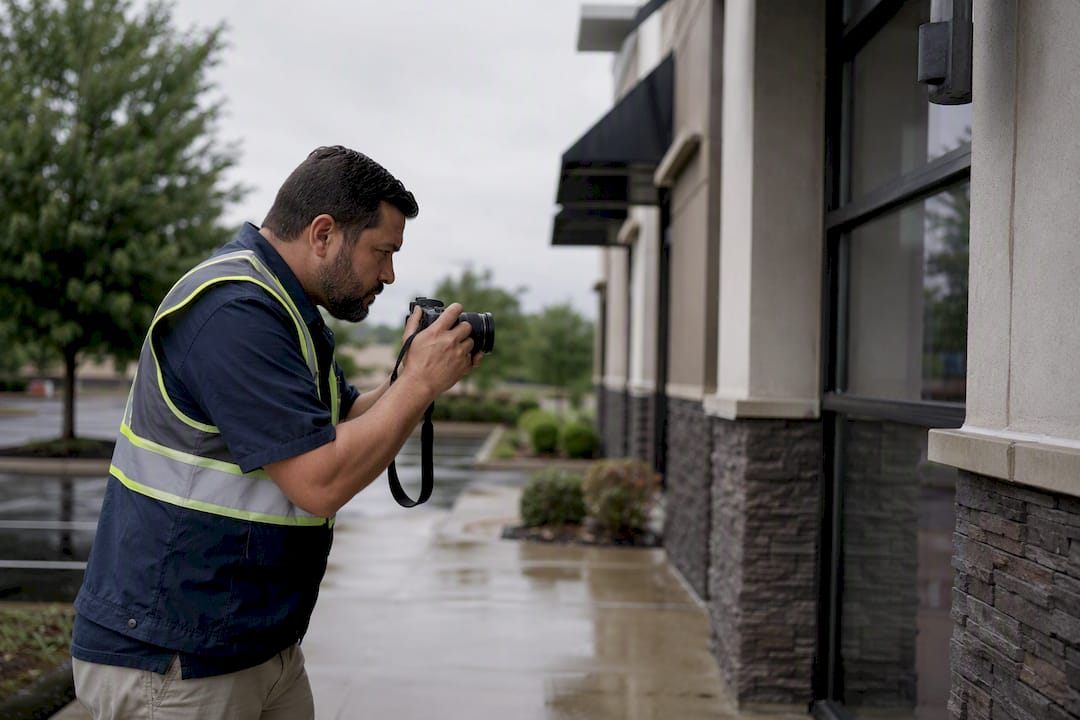
A reopening is ready when six things are done and documented: a photo-backed condition inspection, HVAC restart with new filters, a full water-system flush, high-touch deep cleaning, a pest inspection with treatment resumed, and a fire, egress, and life-safety walkthrough. Skip any one of these and you’re opening a store on guesswork instead of evidence.
Start the water flush and HVAC ventilation cycle for at least one full day before staff return, allowing sufficient lead time to work. Deep cleaning, pest treatment, and the safety walkthrough can happen in the final 24 hours with the help of specialized commercial cleaning software to streamline scheduling and tracking.
- Inspect and photograph every zone before touching anything
- Restart HVAC, replace filters, and flush with outside air
- Flush domestic water lines and refill traps
- Deep clean and disinfect high-touch surfaces
- Get a pest inspection and restart recurring treatment
- Verify fire extinguishers, egress routes, and emergency lighting
Pro Tip: Assign one person per trade category today, and require dated photos before and after each task. That single habit prevents the insurance and landlord disputes that stall reopenings by days.
Key Takeaways
A store is ready to reopen only after inspection, HVAC restart, water flushing, deep cleaning, pest treatment, and safety checks are each completed and documented with photos or receipts.
| Point | Details |
|---|---|
| Document everything | Timestamped photos and vendor receipts protect you in landlord and insurance disputes. |
| Sequence the trades | Flush air and water first, then clean, then finish pest treatment last. |
| Stock supplies early | Keep 30 days of PPE, filters, and disinfectant on-site to avoid delays. |
| Restart pest control as a cycle | A one-time treatment without recurring service invites reinfestation. |
| Consider one integrated vendor | Nationwidemaintenance bundles cleaning, pest control, HVAC coordination, and repairs under a single scope of work. |
Table of Contents
- Pre-Reopen Building Inspection and Documentation Checklist
- How Do You Safely Restart HVAC After a Long Shutdown?
- Water Systems: Flushing, Trap Filling, and Contamination Checks
- Deep Cleaning and Disinfection: What Actually Needs Attention
- Pest Inspection and Restarting Integrated Pest Management
- Safety, Fire Protection, and Accessibility Checks
- Exterior, Parking, and Grounds: The First Impression
- Vendor Coordination, Supplies, and Schedule Alignment
- Handover, Verification, and Final Sign-Off
- Sources
Pre-Reopen Building Inspection and Documentation Checklist
Before scheduling a single vendor, walk the entire site and document what vacancy did to it. Empty buildings develop problems fast: seals dry out, pests move in, and small leaks become big ones.
- Inspect the interior sales floor, stockroom, and back-of-house for water stains, odors, and pest signs.
- Check the exterior envelope, entrances, and loading docks for damage or forced-entry marks.
- Get onto the roof (or send a technician) to check drains, flashing, and membrane condition.
- Photograph every defect with a timestamp and a consistent file name, such as location, date, and area.
- Sort findings into three buckets: safety-critical, operational, and cosmetic, then assign a deadline to each.
- Notify the landlord or insurer immediately if you find water damage, structural issues, or code violations.
Treating the facility as a new baseline, rather than assuming it’s the same as when it closed, is the mindset that protects you if a dispute comes up later.
Pro Tip: Keep a shared digital folder per location for these photos. When a landlord or insurer asks a question six months later, you want the answer in thirty seconds, not a scramble through someone’s phone.
How Do You Safely Restart HVAC After a Long Shutdown?
HVAC systems that sat idle for weeks or months need a sequenced restart, not a simple power-on. ASHRAE’s recovery guidance recommends running the system with increased outside air for at least a full day before occupancy to flush out stale air and reduce mechanical risk.
Technicians should work through this sequence:
- Inspect coils, heat wheels, and dampers before energizing anything.
- Clean coils and verify dampers actually open and close on command.
- Lubricate pumps and motors that have sat idle.
- Circulate hydronic loops to vent trapped air before full startup.
- Check building automation system schedules and setpoints against the reopening hours.
A detailed HVAC restart checklist also calls for replacing filters at the highest efficiency rating (MERV) your equipment allows, and disposing of the old ones in sealed bags rather than shaking them out near intake vents. Have maintenance staff wear gloves and eye protection during filter swaps, and log the filter type, install date, and technician name for the sign-off packet.
Water Systems: Flushing, Trap Filling, and Contamination Checks
Stagnant water sitting in pipes for weeks breeds bacteria and produces the metallic smell customers notice immediately. Fixing it takes a straightforward sequence:
- Flush the domestic hot water heater and every fixture, letting cold and hot water run until it’s clear.
- Refill every P-trap and floor drain, since dried traps let sewer gas back into the space.
- Watch for discoloration, odor, or sediment, and isolate any fixture that doesn’t clear up on its own.
- Bring in a water-treatment specialist for cooling towers and closed-loop systems to verify chemical ranges before restart.
- Keep every vendor receipt and treatment report tied to the location’s reopening file.
Facilities coming off an extended setback are also more prone to mold growth near stagnant lines, which is one more reason the photo-and-receipt trail matters for both operations and insurance review.
Deep Cleaning and Disinfection: What Actually Needs Attention
The Retail Council’s recovery guidance treats a proper cleaning plan as a prerequisite for reopening, not an afterthought bolted on at the end. The initial deep clean should move high to low: dust fixtures and shelving first, then windows, then floors, finishing with a full disinfection pass on high-touch surfaces and a scrub of any breakroom appliances.
Certain surfaces need attention on a recurring basis, not just once:
- Door handles, checkout counters, and card readers, ideally hourly during peak hours.
- Restroom fixtures and shared equipment, at least once per shift.
- Cart handles and fitting-room surfaces, daily at minimum.
Choose disinfectants registered for the surfaces you’re treating and follow label dwell times, since wiping a product off before it’s had time to work defeats the purpose. Staff applying disinfectant should have gloves and, where products call for it, eye protection, and used wipes and cloths need to go into lined, sealed waste bins.
Pro Tip: If your janitorial contract still reflects pre-closure frequencies, update the scope of work now. A retail cleaning guide that spells out cadence by surface type gives you language to bring straight to the vendor conversation.
Pest Inspection and Restarting Integrated Pest Management
Vacant buildings are an open invitation to rodents and insects, and the BPCA’s pest-ready guidance is blunt about the consequence of skipping this step: a one-time treatment without a recurring service cycle behind it usually leads to rapid reinfestation.
Have technicians check for:
- Droppings, nesting material, or grease trails along baseboards and stockroom walls
- Chewed packaging, wiring, or insulation
- Gaps under doors or damaged weather seals
Outside, pest advisories point to standing water, overgrown vegetation touching the building, and unsecured dumpsters as the top three attractants. Clear those, then get an ongoing pest management program back on the calendar rather than treating the reopening inspection as a one-off fix.
Safety, Fire Protection, and Accessibility Checks
Life-safety items are non-negotiable, and expired inspection tags are the fastest way to fail a fire marshal visit on day one.
- Verify fire extinguishers, alarms, emergency lighting, and sprinkler valves; schedule repairs for anything with an expired tag.
- Walk every egress route, check exit signage, test automatic door operators, and confirm panic hardware releases properly.
- Confirm ADA-compliant access at entrances, ramps, and restrooms.
- Stock first-aid kits, hand soap, hand sanitizer stations, and waste bins, and set a replenishment schedule so nothing runs dry in week one.
- Post any required customer or staff signage confirming the safety measures you’ve completed.
Exterior, Parking, and Grounds: The First Impression
Customers judge readiness before they reach the door. Repair cracked sidewalks, restripe faded parking spots, and confirm every ADA sign is visible. Trim any vegetation touching the building, since overgrowth against the wall is exactly the kind of pest bridge exterior sidewalk maintenance guidance warns against, and check roof drains while you’re up there.
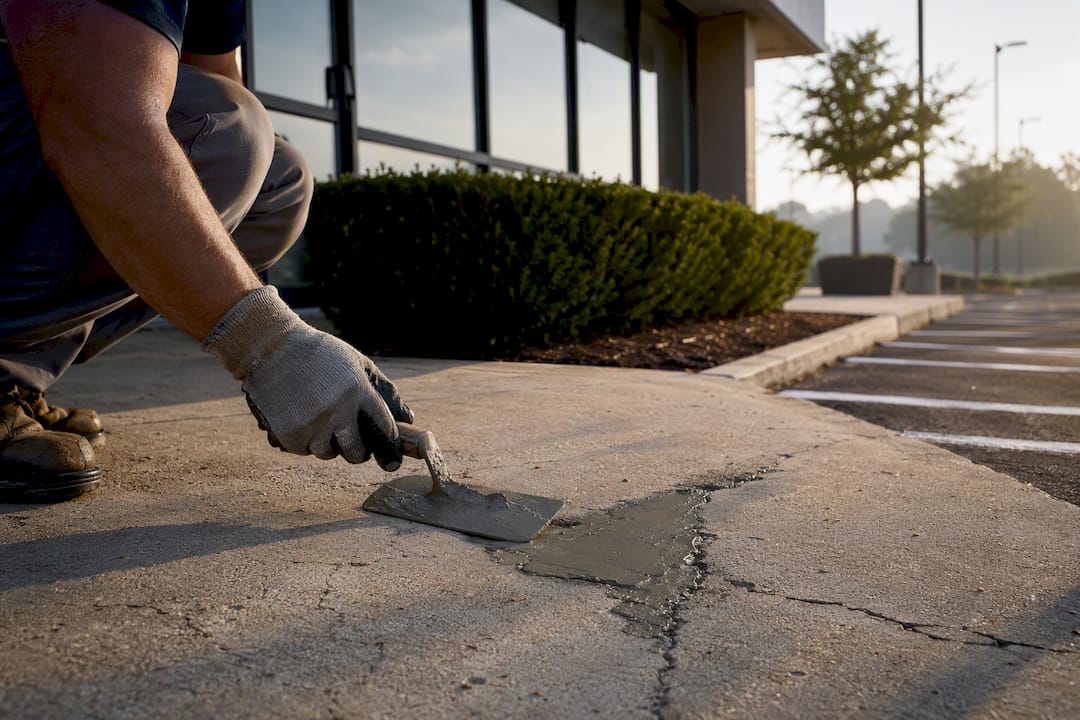
Sanitize dumpster pads and time trash pickup so bins aren’t overflowing on opening morning. Confirm exterior signage and wayfinding still make sense if you’re managing any temporary capacity limits.
Vendor Coordination, Supplies, and Schedule Alignment
Getting six trades to show up in the right order, with the right materials, is often harder than any single task on this list.
- Schedule HVAC and plumbing first, since both need lead time before deep cleaning and pest work can finish behind them.
- Request current licenses, certificates of insurance, and a written scope of work from every vendor before confirming a date.
- Build a critical-path schedule around lead times: filters and disinfectant often ship faster than specialty trades can be booked.
- Stock at least 30 days of PPE, filters, and disinfectant on-site so a supply delay doesn’t stall the whole plan.
- Log every vendor confirmation and fold reopening tasks and acceptance criteria directly into the updated scope of work.
Pro Tip: An enzyme cleaning approach paired with pest control cuts down on the organic residue that attracts pests in the first place, so bundling those two services under one vendor often beats treating them separately.
Handover, Verification, and Final Sign-Off
Every trade should hand over proof, not just a verbal “it’s done.” That means photos, receipts, filter labels, and pest treatment reports filed together before anyone unlocks the front door.
- Set a clear acceptance standard per system: filter installed and test-run, water running clear with no odor, no new pest activity within the agreed window.
- Retain every document for at least a full year in case of a warranty or insurance question.
- Run a phased soft-open with a short daily checklist for the first 7 to 14 days.
- Hand operations a contact list, maintenance schedule, vendor scopes of work, and emergency response steps.
| Point | Details |
|---|---|
| Sequence matters | Flush air and water first, then clean, then finish pest work, to avoid redoing steps. |
| Photos protect you | Timestamped photos before and after each task prevent landlord and insurance disputes. |
| Filters aren’t optional | Replace filters at the highest MERV rating your equipment allows before restart. |
| Pest control is recurring | A single treatment without an ongoing schedule invites reinfestation within weeks. |
Why One Integrated Vendor Changes the Reopening Timeline
Coordinating five separate vendors means five separate schedules, five separate scopes of work, and five chances for a miscommunication to stall the whole plan. When cleaning, pest control, mechanical work, and grounds crews operate under one scope, the flush-clean-treat sequence happens in days instead of the back-and-forth calls it usually takes to line up independent contractors. Eco-friendly product standards and 24/7 emergency coverage matter here too, since a failed inspection the night before opening shouldn’t mean waiting until Monday for a callback.
— Nationwide Maintenance.
How Nationwide Maintenance Handles Reopening End to End
Nationwidemaintenance is the alternative to juggling separate vendors for reopening: one contract covers the commercial cleaning, pest control, HVAC coordination, repairs, and landscaping this checklist calls for, so nothing falls through the cracks between contractors.

Before requesting a survey, have your square footage, length of vacancy, and any known issues (leaks, prior pest activity, HVAC age) ready. That’s enough for a technician to scope the visit accurately on the first trip. With over 30 years serving commercial and retail clients across the Tri-State area, and true 24/7 emergency response built in, Nationwidemaintenance can execute this entire checklist under a single scope of work instead of five. Request a facility survey to get a reopening timeline built around your actual site conditions.
Sources
- ASHRAE recovery/readiness how-to guide
- BPCA pest-ready guidance for clients
- Retail Council recovery guide and checklists
Recommended
Need this handled at your facility?
Our crews cover commercial properties across New York, New Jersey, and Connecticut.