Pest Prevention & Exclusion
Cold Weather Is Coming — Is Your Commercial Building Ready?
Nationwide Maintenance · August 2026 · 8 min read
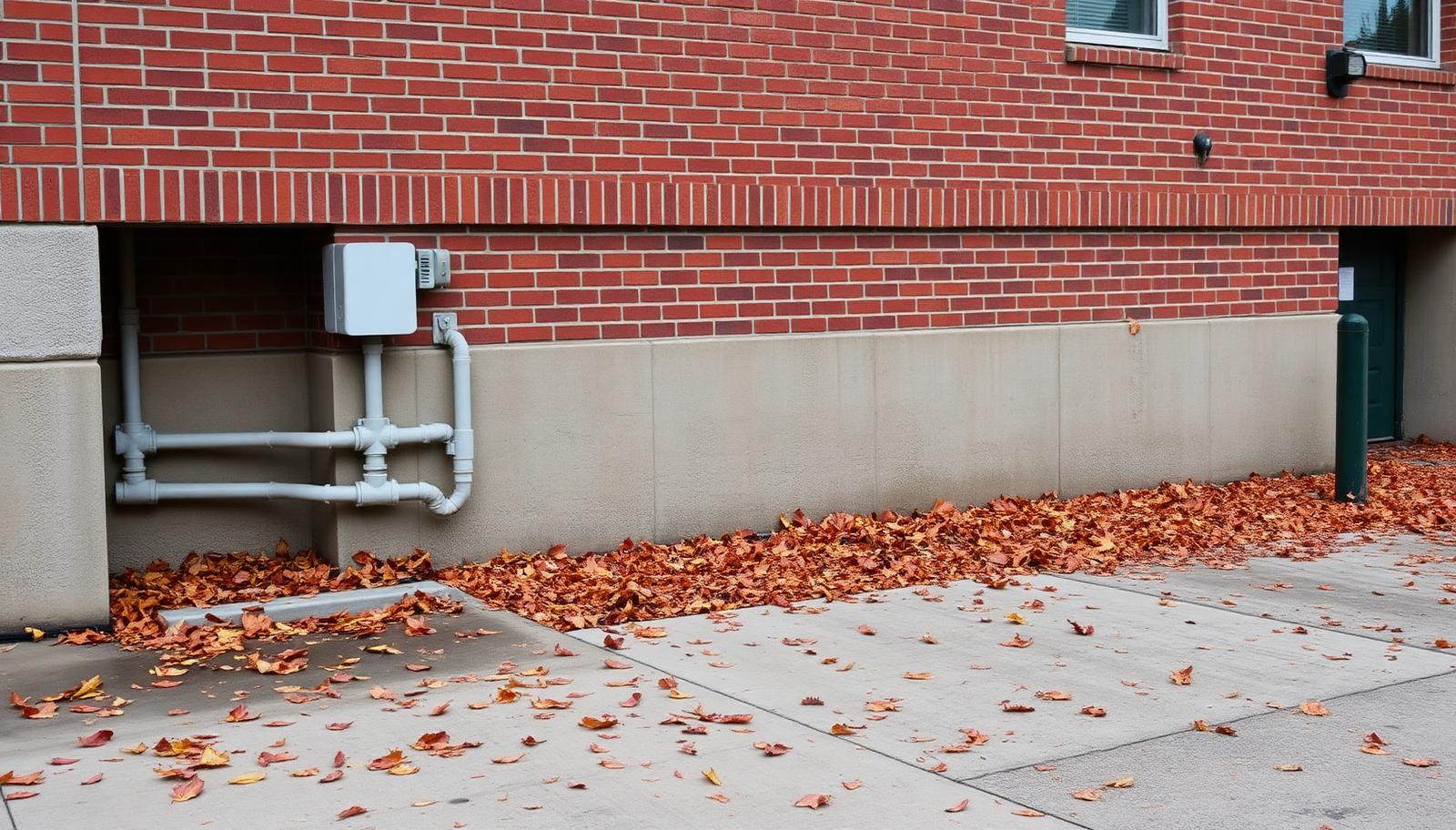
Fall is the time of year when the weather begins to change and mice and rodents start looking for warm, protected places to call home. For commercial buildings, that means every small opening around the exterior can become an invitation. Loading docks, utility lines, foundations, doors, vents, and exterior walls all need to be locked down before rodents find a way inside.
Why Fall Is the Most Critical Season for Rodent Prevention
As temperatures drop, rodents' outdoor food sources shrink and their instinct to find shelter intensifies. A commercial building with heated interiors, stocked shelves, and accessible waste becomes a target. The real problem is not just one rodent — it is the trail of entry points they find and the contamination they leave behind.
By the time staff report droppings or gnaw marks, rodents have already established travel routes. The most cost-effective approach is not waiting for signs of activity; it is sealing the building before the first cold snap.
Sometimes Prevention Can Be Surprisingly Simple
A thorough fall inspection and a few targeted repairs can stop rodents before they ever become tenants. Simple, high-impact prevention steps include:
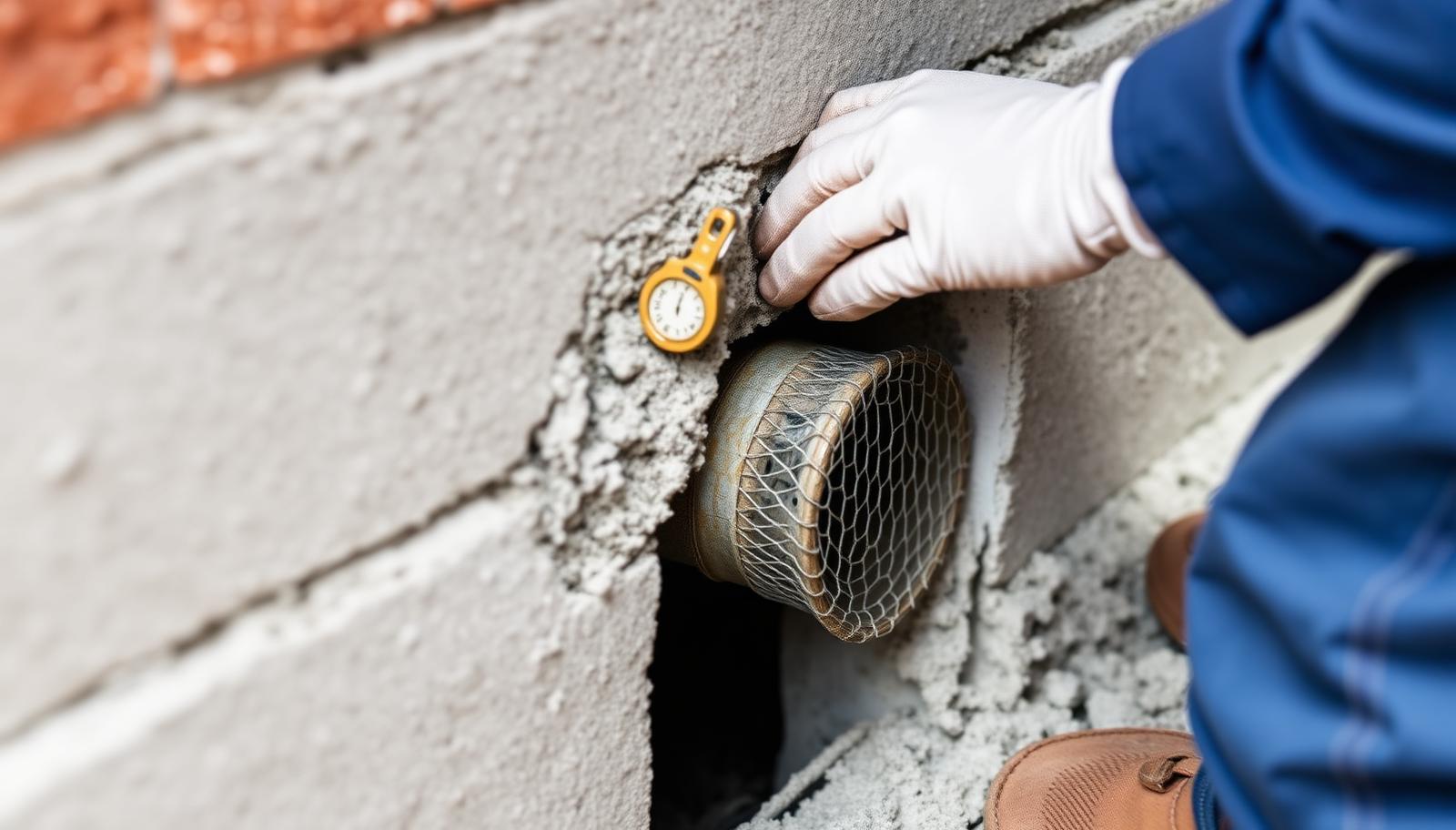
- Fill small openings and gaps with rodent-resistant mesh or steel wool.
- Install or replace door sweeps so rodents cannot squeeze underneath doors.
- Seal cracks around foundations, pipes, utility lines, vents, and exterior walls.
- Check garages, basements, loading areas, and other low-traffic spaces for possible entry points.
The Most Important Step Is a Complete Exterior Evaluation
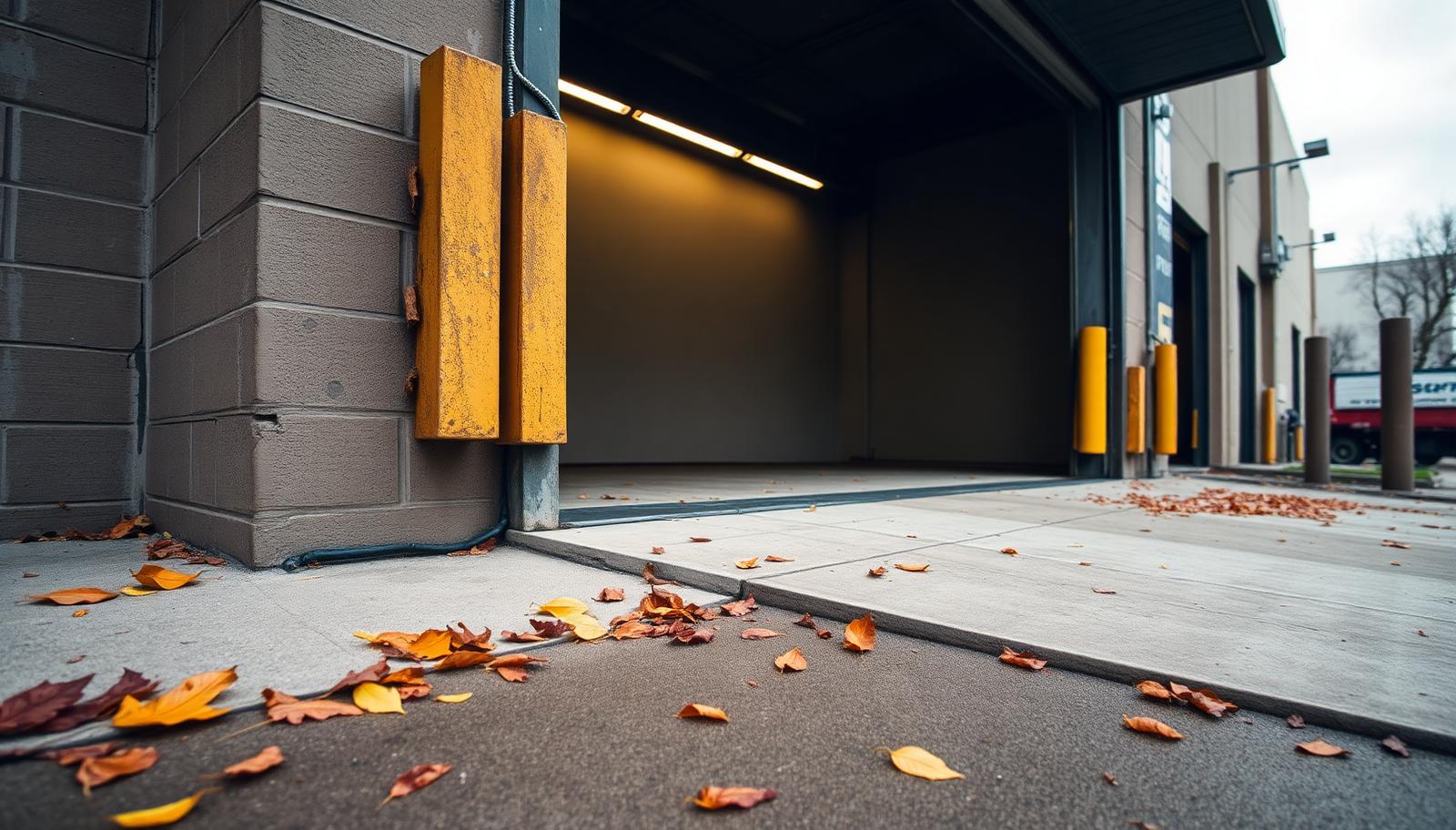
Nationwide Maintenance can perform a complete exterior evaluation and identify the areas that need attention before winter. Rodent exclusion starts with a thorough exterior walk. Our crews look at every transition between materials, every penetration through the envelope, and every door that opens to the outside.
Once we identify the entry points, we recommend the proper exclusion and sealing methods before a small opening becomes a much bigger problem. Common commercial solutions include rodent-resistant sealing, door sweeps and hardware, heavy-gauge mesh over vents, foundation repairs, loading dock exclusion, pipe and utility penetration sealing, and exterior sanitation and cleanup.
Once Rodents Get Inside, the Problem Multiplies Quickly
Getting rodents back out is much more difficult than keeping them out in the first place. Once inside, they find cardboard boxes, storage areas, wall cavities, ceilings, insulation, and dark hidden spaces where they can nest — and they can multiply quickly.
The cost of prevention is almost always lower than the cost of remediation. A fall exclusion program protects inventory, reduces sanitation liability, and keeps your facility from becoming a seasonal statistic. If you manage retail, warehouse, restaurant, grocery, healthcare, or multi-tenant properties, fall is the right window to act.
Stop Them Outside Before They Become a Problem Inside
Prevention is always easier than infestation. Fall rodent prevention starts outside. Seal it before they get in.
Get a Fall Rodent-Exclusion Evaluation
Nationwide Maintenance serves commercial properties across New York, New Jersey, and Connecticut. Our crews inspect, seal, and document every entry point so your building is ready before winter.
Frequently Asked Questions
Why do rodents enter commercial buildings in the fall?
As temperatures drop, mice and rats search for warmth, shelter, and food. Commercial buildings provide all three — heated interiors, hidden wall and ceiling voids, and stored inventory or food waste. A mouse only needs an opening about the width of a pencil to get inside.
What are the most common rodent entry points in a commercial building?
The most frequent access points are gaps under exterior doors and worn door sweeps, loading dock seals and levelers, utility and pipe penetrations, foundation cracks, block wall gaps, roof vents, exhaust openings, and gaps around conduit and wiring. Even a small separation between materials can become an entry point.
What is rodent exclusion?
Exclusion is the physical sealing and hardening of a building so rodents cannot enter. It includes installing door sweeps, repairing screens, covering vents with rodent-proof mesh, sealing gaps with mortar or metal-reinforced sealants, repairing dock seals, and closing gaps around utility lines. Exclusion is the long-term solution to recurring infestations.
Should rodent prevention be done in the fall or only after an infestation?
Fall prevention is far more effective than reactive cleanup. Once rodents are inside, they contaminate surfaces, damage inventory, and create ongoing sanitation work. Sealing the building before temperatures drop stops the problem before it starts.
How often should a commercial property be inspected for rodent entry points?
At minimum twice per year — once in early fall before rodent pressure increases, and once in spring. High-risk buildings such as warehouses, restaurants, grocery stores, and multi-tenant retail should be inspected quarterly, plus after any construction, utility work, or storm damage.
#NationwideMaintenance #RodentPrevention #RodentExclusion #CommercialMaintenance #FacilityManagement #FallMaintenance #PropertyManagement